Share this Article:
Rosh Hashanah is all about fresh starts, meaningful traditions, and (you guessed it) something sweet! One of the tastiest and most beloved customs is dipping apples in honey. But have you ever stopped to think about why this simple pairing has such deep roots in Jewish New Year celebrations? There’s a sweetness behind this symbolic duo and how it’s grown into a meaningful (and delicious!) part of the holiday.
What Is the Significance of Apples & Honey on Rosh Hashanah?
Apples and honey have been part of the Jewish New Year for centuries, carrying layers of meaning that go far beyond the sweet taste of new beginnings. The custom dates back to early medieval times and has its roots in Jewish texts and symbolism. It’s a way to express hope, renewal, and gratitude. Eating these together at the start of the year is a moment filled with meaning that is both personal and shared.
Why the Apple?
The apple is deeply tied to the Jewish tradition. Some link it to the Garden of Eden, where the apple tree was believed to have a special fragrance. In Jewish thought, it’s also a symbol of beauty, health, and creation. And practically speaking, apples have always been easy to grow and share, making them a familiar presence on Rosh Hashanah tables throughout history.
Why the Honey?
Honey represents a wish for sweetness in the year to come. But it’s also about preservation, both in flavor and in tradition. Mentioned often in the Torah, honey was seen as a luxury and a gift from the land. Using honey on Rosh Hashanah is like pouring out a hope for joy, peace, and blessings that last longer than just one holiday.
Dipping the Apple in Honey
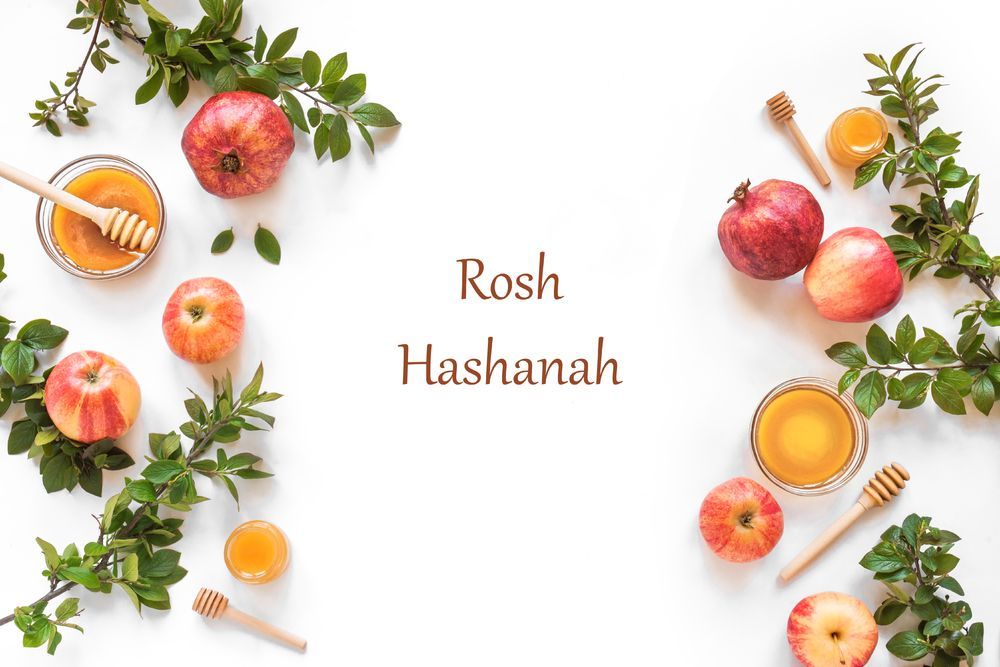
Combining the honey and apples blends both symbols into one powerful moment. When we dip the apple into honey, we’re literally tasting our hope for “a good and sweet new year.” Many families say a short prayer before taking a bite, asking for “a good and sweet year.” It’s a moment where symbolism meets flavor, and a new year officially begins.
Sweet Questions About Apples and Honey on Rosh Hashanah
Even simple traditions come packed with meaning. Let’s clear up a few things about apples, honey, and how they all come together for Rosh Hashanah.
Are There Special Prayers When Eating Apples and Honey?
Yes! Before dipping, many people say a short prayer asking for “a good and sweet new year” (in Hebrew: Yehi Ratzon…). It usually follows the blessing over the fruit (borei pri ha’eitz). It’s a beautiful way to pause and reflect before that first sweet bite.
Can I Use Raw Honey for Rosh Hashanah?
Absolutely. In fact, raw honey is a favorite for many! It’s unprocessed, full of natural goodness, and closer to how honey has been enjoyed throughout Jewish history. Plus, it just tastes better with a rich, floral flavor profile and a perfectly golden hue.
What Other Foods are Eaten on Rosh Hashanah?
Rosh Hashanah meals are full of symbolic bites! You’ll often find:
- Honey cake, a spiced, moist dessert that celebrates sweetness.
- Pomegranate, said to have 613 seeds, like the number of mitzvot (commandments).
- Round challah, which symbolizes the cycle of the year and unity.
- Dates, carrots, leeks, and beets, each with wordplay or symbolic meaning tied to hopes for the year ahead.
Start a Rosh Hashanah Honey Fundraiser with Honey Helps
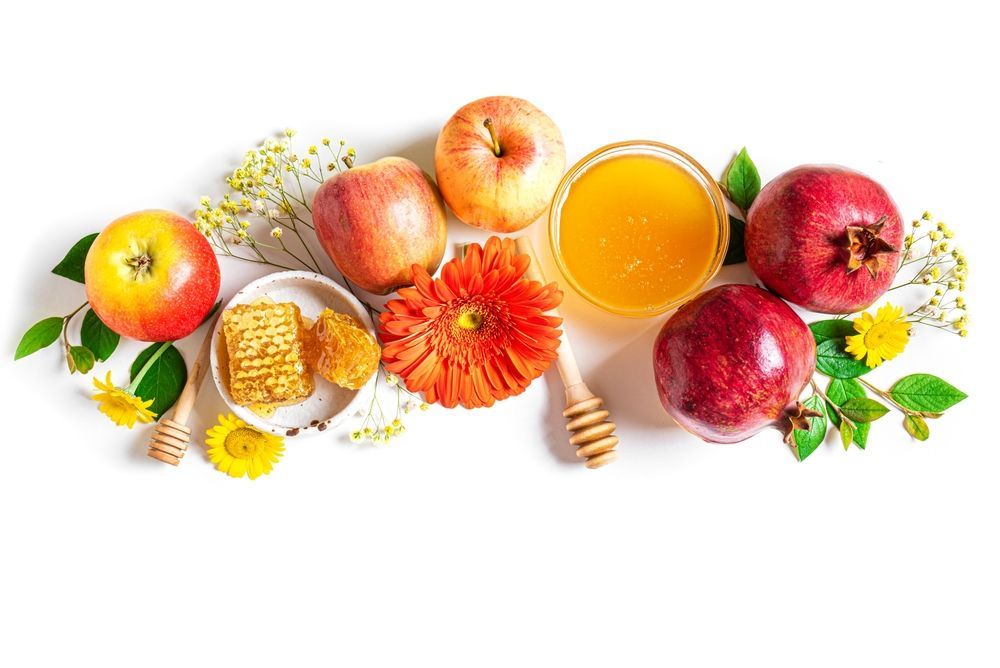
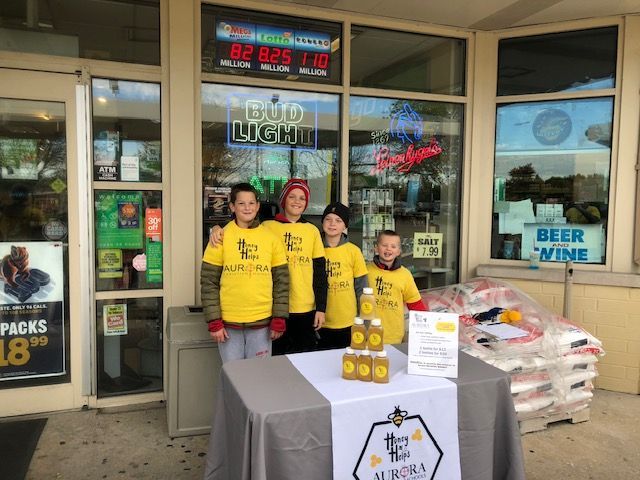
Looking for a fundraiser that truly reflects your synagogue, school, or organization’s values this new year? Honey Helps makes it simple. We provide raw, U.S.-sourced honey (a healthier, more meaningful choice for Rosh Hashanah) and make the fundraising process easy without upfront costs or added stress.
Our easy-to-use fundraising platform keeps everything running smoothly. Participants can track orders, stay connected with supporters, and see their impact in real time. And because every sale earns 50% profit, your organization keeps more of the sweetness it creates.
Ready to offer something sweet that your supporters will actually love?
Let’s start your Rosh Hashanah honey fundraiser today.