Share this Article:
Honey is one of the few foods made by insects that humans eat, and it hasn’t changed much for thousands of years. People might picture a golden jar on the table, but that sweetness starts in the air, on flowers, and in the wings of thousands of tiny, tireless workers.
Why Honey Tells a Beautiful Story
Most food comes from factories filled with machines and assembly lines. Honey begins in a field of flowers and ends in a hive buzzing with life. Every jar holds the work of thousands of bees, each playing a role in a process that has stayed the same for generations.
The story behind honey is quiet but powerful. It reflects cooperation, balance, and care. These are qualities that don’t always show up in modern food.
Learning how honey is made opens the door to something deeper. It shows how much can be done through patience, precision, and quiet teamwork, qualities that often fade into the background in the rush of everyday life.
The Honey Bees Behind the Buzz
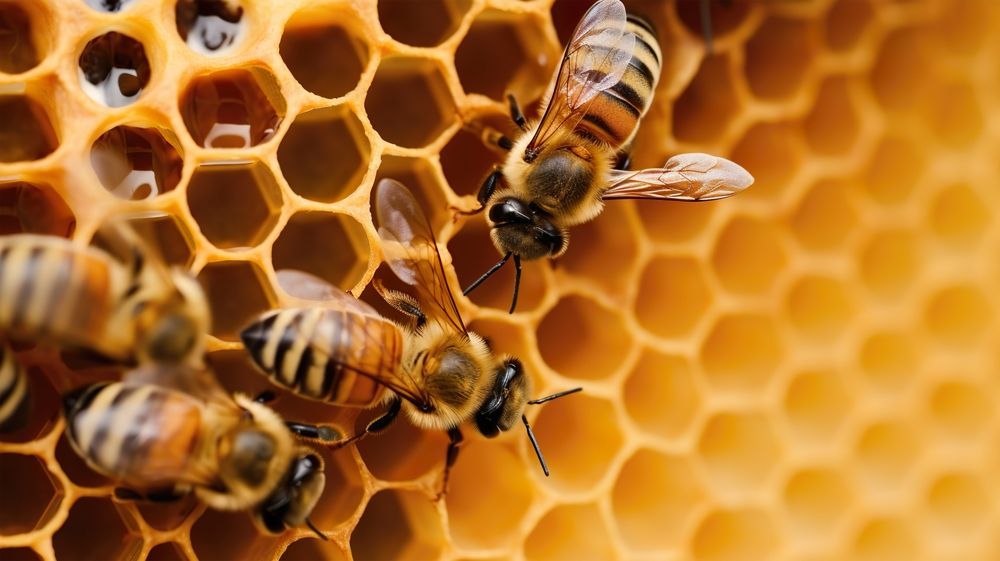
Inside every hive is a well-organized team, and each bee has a specific role to play. Forager bees leave the hive to gather nectar. Nurse bees stay behind to care for the young. Worker bees build, clean, and help regulate the hive’s temperature. The queen has one primary job. She lays every egg.
That structure helps the colony operate smoothly, almost like a living machine made of thousands of tiny parts working in sync. It’s one of the reasons honey production is so reliable. Everything starts with this quiet, intentional teamwork.
How Honey is Made from Start to Finish
The steps may seem simple at first, but honey production is a layered process built on instinct, timing, and cooperation. Each stage of honey production builds on the last, moving with quiet precision through a process shaped by instinct and timing.
1. Bees Forage for Nectar
Honey begins in the open air. Forager bees fly from bloom to bloom, collecting nectar using their long, tube-like tongues. Each trip can cover several miles, and one bee might visit hundreds of flowers in a single day.
Once nectar is collected, it’s stored in a special part of the bee’s body called the honey stomach. The nectar doesn't enter the bee’s digestive system but is stored separately in a special organ that holds it safely during the flight back to the hive. Along the way, enzymes begin breaking the nectar down, starting the transformation before the bee even lands back home.
2. Inside the Hive: Nature’s Workshop
Back at the hive, the forager bee passes the nectar to a house bee through mouth-to-mouth transfer. This exchange allows even more enzymes to mix in, helping break complex sugars into simpler ones. These changes make the nectar less likely to spoil and prepare it for long-term storage.
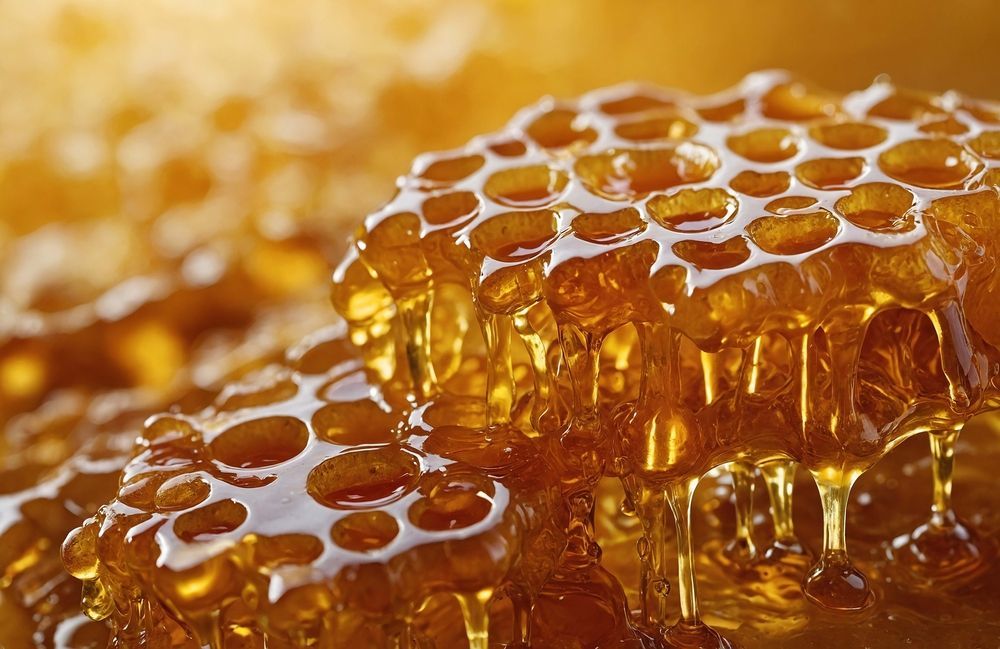
The house bees then deposit the nectar into the hexagon-shaped wax cells they’ve built. At this point, the nectar still contains too much water to be called honey. Bees begin fanning their wings, creating airflow that slowly reduces moisture until the texture thickens and becomes more concentrated.
3. Transforming Nectar into Honey
As the nectar thickens inside the wax cells, a quiet change takes place. The mix of enzymes, time, and airflow slowly turns it into honey. This transformation isn't rushed. Bees continue fanning and monitoring the consistency, making small adjustments that keep the process steady.
The moisture content drops to around 18 percent, which is just right for long-term storage. At this point, the substance is honey. It’s stable, nutritious, and ready to feed the colony through colder months. All of it is created through step-by-step labor that protects every ounce of effort the hive has invested.
4. Sealing the Sweetness with Beeswax
Once the honey reaches the right thickness, bees move quickly to protect it. They cap each cell with a thin layer of beeswax, locking in the finished product. This natural seal keeps moisture out and preserves the honey for months, sometimes even years.
Beeswax is made by young worker bees, who produce it from special glands on their abdomen. They shape each wax cap with precision, creating a smooth, breathable cover. This final step is what allows the hive to store honey safely through winter and what gives each jar its start deep inside the comb.
Harvesting and Bottling Honey
When honey is ready to be collected, beekeepers carefully remove the wax caps from each cell using a tool called an uncapping knife. The frames are then placed in a spinner that gently extracts the honey without damaging the comb. Once filtered to remove small bits of wax, the honey is poured into jars.
There’s no need for additives or processing. The honey is already shelf-stable and full of natural flavor. From the moment it’s sealed in the hive to the time it’s sealed in a jar, almost nothing is added or taken away.
Why Raw Honey is Worth It
Raw honey is different from the golden syrup found on most grocery store shelves. It hasn’t been heated, pasteurized, or heavily filtered. As a result, it keeps more of the natural qualities that make honey so valuable in the first place.
Some things raw honey retains:
- Pollen that supports seasonal allergies and strengthens the immune response
- Enzymes that help with digestion
- Natural antioxidants that support overall wellness
- Complex flavors that reflect local flowers and plants
Because it’s minimally handled, raw honey gives you more of what bees worked so hard to create.
How Honey Helps Uses Honey for Good
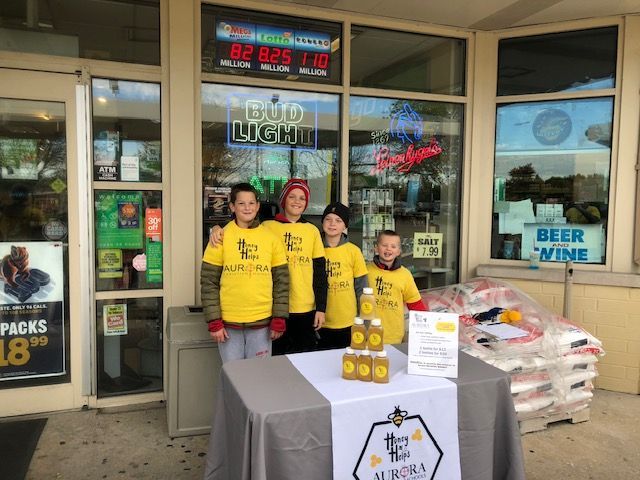
At Honey Helps, the story doesn’t end once the jar is sealed. Every fundraiser connects the beauty of how honey is made to something even more meaningful: supporting schools, churches, and organizations across the country.
The honey comes from trusted U.S. sources and is always raw, always real. Participants don’t need to manage shipping, inventory, or upfront costs.
Our platform handles the logistics, so groups can focus on their goals.
Selling honey becomes a way to offer something people genuinely enjoy while backing causes that matter. It also creates space for a
profitable fundraiser that feels simple and sustainable from the very beginning.
Start a Sweet Fundraiser with Honey Helps
When a fundraiser feels thoughtful, people notice. U.S.-sourced raw honey offers something people actually want to bring home. It’s easy to share, holds up well over time, and fits naturally into the rhythm of community life.
Our team handles the details, so organizations can focus on raising support. Everything is designed to be simple, predictable, and easy to manage from the first step to the last.
If you're looking for a healthy alternative to fundraising, this might be the sweetest place to start.
Reach out to get your fundraiser started, or explore how it works online.