Share this Article:
If you've ever bought a lip balm that felt great for ten minutes but left you reaching for it again and again, the problem may not be what you think.
Many people compare soy wax and beeswax when choosing a lip balm. While the type of wax matters, it is only one part of what determines how a balm feels, how long it lasts, and how well it protects dry lips.
Why the Wax in Your Lip Balm Matters
Wax gives lip balm its structure.
Without it, oils and butters would be too soft to stay in a tube or tin. More importantly, wax helps create a protective layer that slows moisture loss from the lips.
This matters because dry, chapped lips are often caused by environmental factors like cold air, wind, sun exposure, and dry indoor heat, and not just a lack of moisture.
A good lip balm helps protect lips from those conditions while keeping beneficial oils where they belong.
Beeswax Creates a Longer-Lasting Protective Barrier
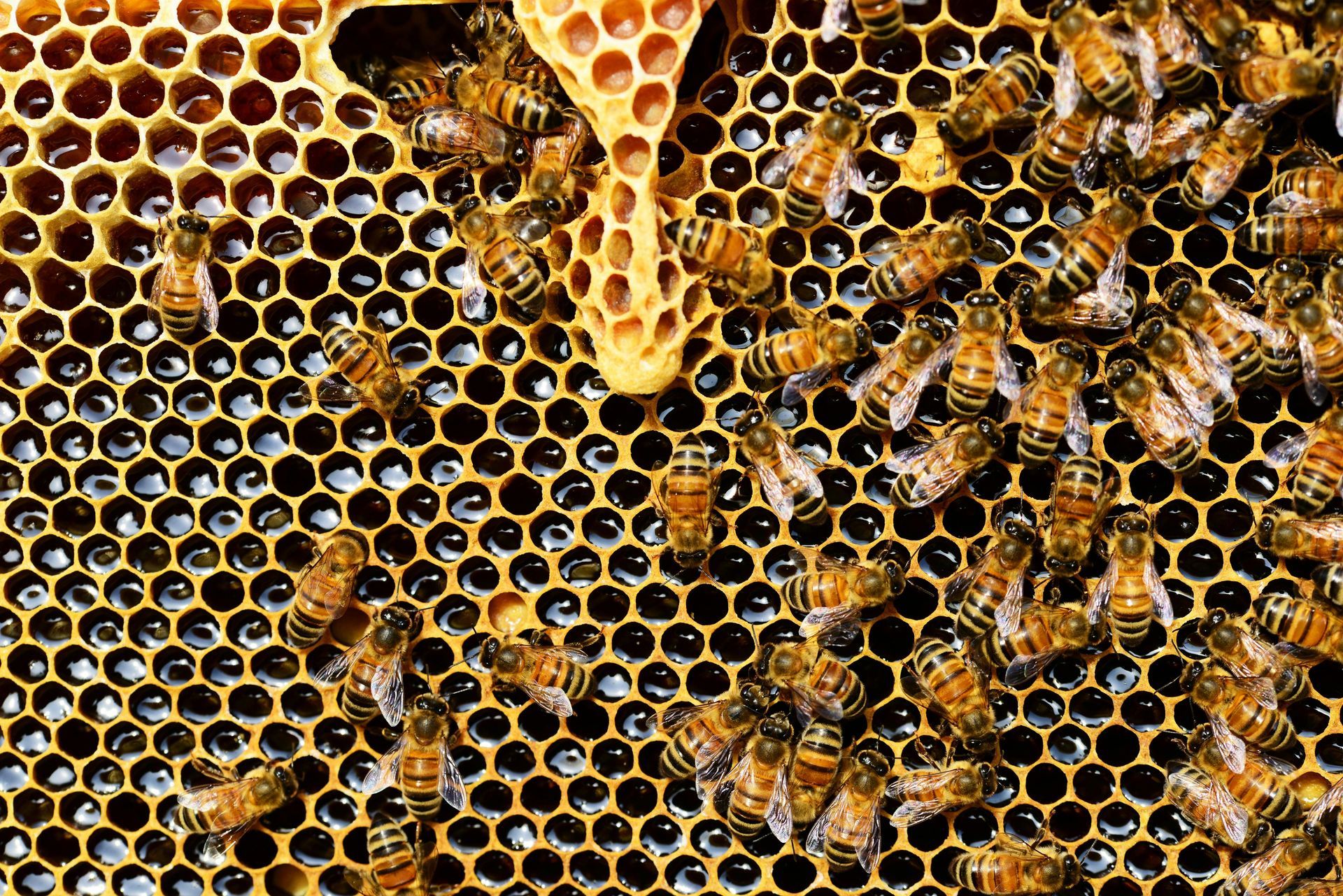
Beeswax has been used in
lip care products for generations because it creates a durable barrier on the surface of the lips.
That barrier helps reduce moisture loss while protecting lips from everyday environmental stress.
For many people, this translates to a lip balm that feels like it stays in place longer and requires fewer applications throughout the day.
Chapped Lips Need Protection, Not Just Moisture
One common misconception is that dry lips simply need more hydration.
In reality, moisture can evaporate quickly if nothing helps lock it in.
Think of it like watering a garden on a hot day. The water helps, but without protection, it doesn't last long.
Beeswax helps seal in the oils and butters within a lip balm, allowing them to stay on the lips longer instead of disappearing after the first cup of coffee or walk outside.
Why Beeswax Performs Well in Cold, Windy Weather
People often notice the biggest difference during winter.
Cold temperatures, wind, and heated indoor air can leave lips feeling dry and irritated. A thicker protective layer can help shield lips from those conditions.
That's one reason
beeswax-based lip balms are often popular during colder months, especially in regions where winter weather is harsh and dry.
Soy Wax Offers a Softer, Lighter Feel
Soy wax is a plant-based alternative commonly used in vegan lip balm formulas.
Compared to beeswax, it often creates a softer texture and a lighter feel on the lips.
Some people prefer that lighter application, especially if they dislike thicker or more protective balms.
The trade-off is that a lighter feel may not always provide the same staying power, depending on the overall formula.
The Trade-Offs Behind Plant-Based Wax Formulas
Choosing soy wax isn't necessarily better or worse. It simply serves a different purpose.
Many shoppers choose soy-based products because they prefer plant-derived ingredients or follow a vegan lifestyle.
However, creating a stable lip balm with soy wax can require additional formulation adjustments to achieve the desired texture and consistency.
Texture Plays a Bigger Role Than Most People Realize
When people describe a lip balm as "too waxy," "too greasy," or "too thin," they are usually reacting to the entire formula, not just the wax.
The balance of waxes, oils, and butters determines whether a balm feels smooth, rich, lightweight, or long-lasting.
This is why two beeswax lip balms can feel completely different from one another.
The same is true for soy-based formulas.
Heat, Stability, and Everyday Carry Concerns
Another practical consideration is how a lip balm handles heat.
Many people keep lip balm in a purse, backpack, sports bag, coat pocket, or vehicle.
Softer formulas may become more susceptible to softening in warm environments, while firmer waxes often provide additional structure.
For families, students, and active lifestyles, durability can be just as important as ingredient preferences.
Why Simple Ingredient Lists Matter
When people experience burning, stinging, or increased dryness, they often assume the wax is responsible.
In many cases, the real issue may be other ingredients.
Flavorings, fragrances, menthol, camphor, and certain essential oils can sometimes irritate sensitive lips.
That's why many shoppers look for lip balms with straightforward ingredient lists and fewer unnecessary additives.
A simple formula makes it easier to understand what you're putting on your lips and how your skin responds.
Ingredients That Can Leave Lips Feeling Worse
If your lips seem to get drier the more you use a product, it's worth checking the ingredient list.
Some people choose to avoid:
- Strong fragrances
- Artificial flavorings
- Menthol
- Camphor
- Ingredients that cause tingling or burning, like BLANK
A lip balm shouldn't need to sting to be effective. And comfort is often a better sign than sensation.
How to Choose a Lip Balm That Fits Your Needs
The best choice depends on what matters most to you.
If you want a lip balm that creates a longer-lasting protective barrier, especially during cold or windy weather, beeswax is often a strong option.
If you prefer a plant-based formula and a lighter feel, soy wax may be a better fit.
Most importantly, look beyond the wax alone.
Consider:
- How often you need to reapply
- Whether the formula feels comfortable
- How it performs in your climate
- The simplicity of the ingredient list, including natural flavors and scents
- Whether it fits your personal preferences
A good lip balm shouldn't leave you wondering if it's working.
It should simply help your lips feel protected, comfortable, and ready for whatever the day brings.